Birds of Alexander Garden
Link copied.
Rarely recorded
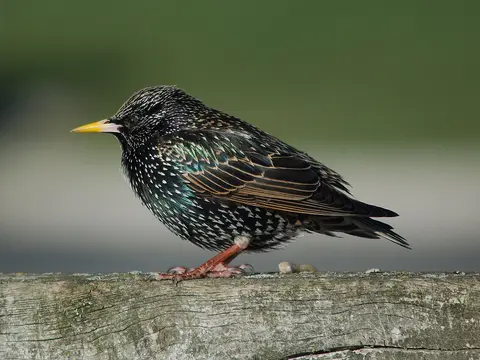
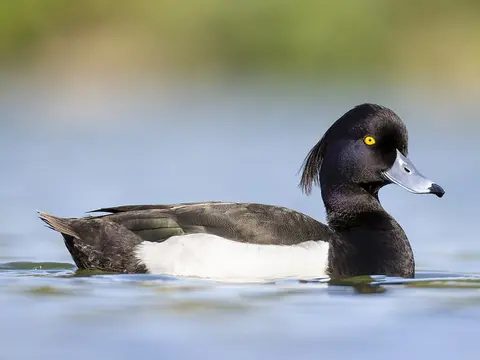
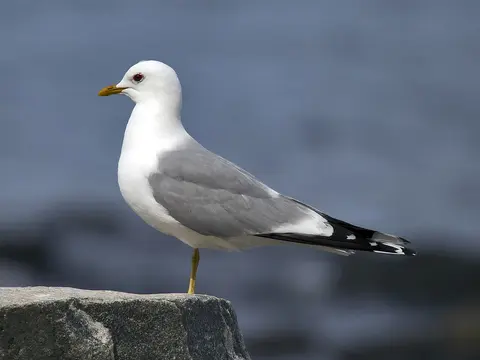
- Species
- ≈ 196 species Source, Species: Community observations: eBird and GBIF
- Best time
- April–November Source, Best time: Months with the most species, across all years of observations
- ≈ 196 species Source, Species: Community observations: eBird and GBIF
- April–November Source, Best time: Months with the most species, across all years of observations
Birds in October
All birds
October
Within 10 km



About the park
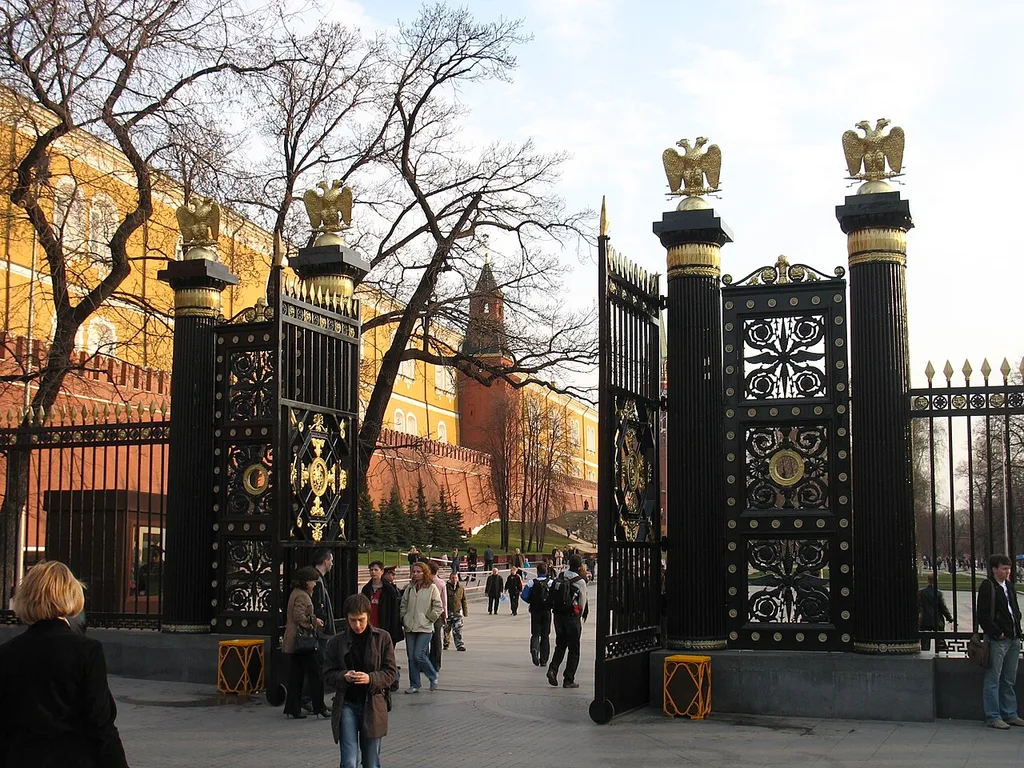
Beside Manege Square, a fountain complex runs along the edge of Alexander Garden; one fountain, Neglinnaya River, recreates the bed of the river that once flowed through this site. The garden follows the Kremlin’s western wall in three successive sections. The 350-metre Upper Garden runs from Revolution Square to Trinity Tower; the 382-metre Middle Garden continues to Borovitskaya Tower, and the 132-metre Lower Garden reaches Kremlin Embankment. When the gardens were laid out, the ground was levelled and covered with turf, and lime trees, birches, rowans and shrubs were planted.
Read more
Until the 18th century, the Neglinnaya River flowed here, crossed by four bridges. People held public festivities on its banks, and the river was renowned for its clean water and fishing. Over time, the banks began to collapse and become overgrown, while the water grew polluted. At the end of the 18th century, the river was diverted into a canal; after the Patriotic War of 1812, Alexander I had it enclosed in an underground pipe three kilometres long. On the land freed by the river’s removal, Osip Bove designed gardens as part of Moscow’s restoration after the fire. They were laid out from 1819 to 1823, serving both a commemorative purpose and public and recreational uses. In the 16th and 17th centuries, the site of today’s Middle Garden held the Tsar’s Apothecary Garden, where medicinal herbs were grown for the Apothecary Chancellery.
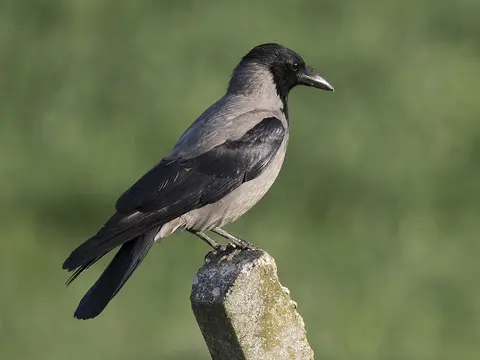
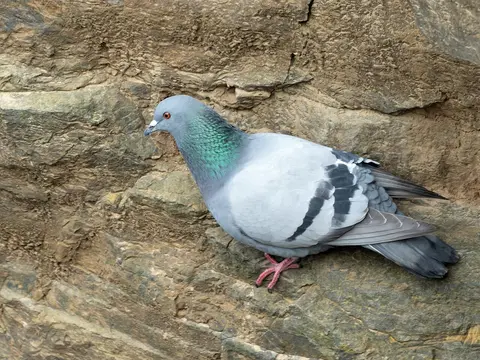
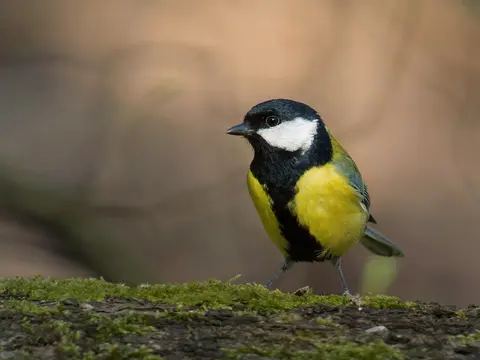
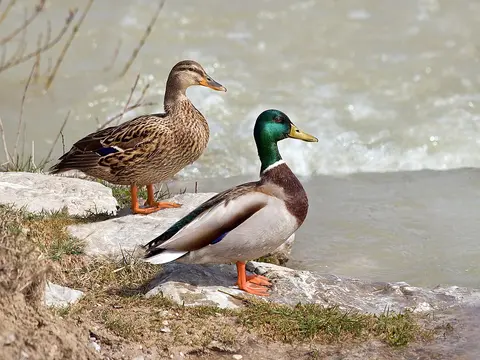
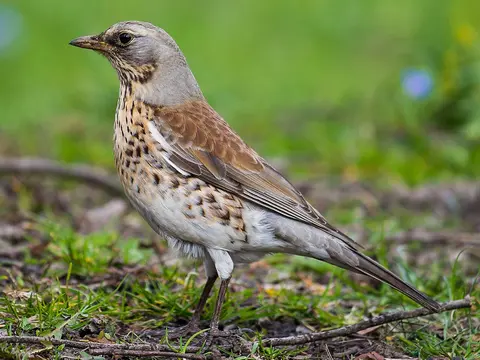
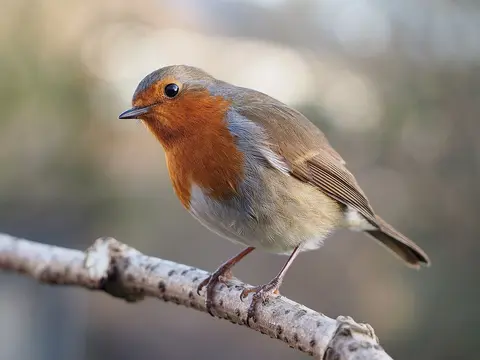
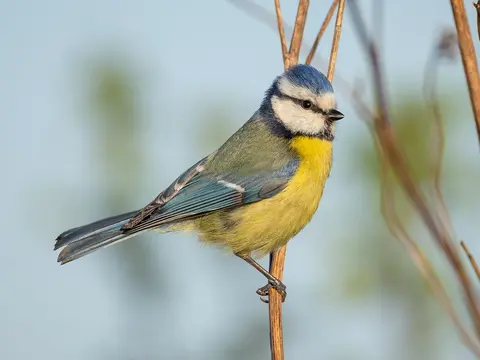
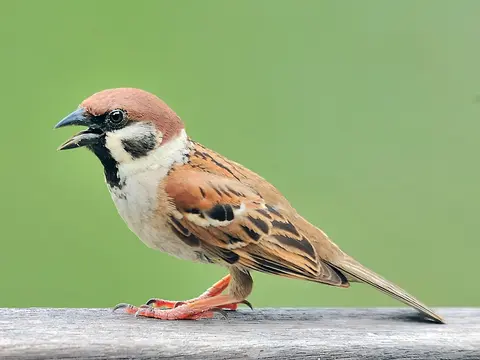
Birds recorded nearby include rock pigeons, hooded crows, great tits and mallards.
When there are more birds
October — 102 species
- Winter
- Spring
- Summer
- Autumn
Getting there
Directions on the map you prefer