Birds of Kandalaksha Nature Reserve
Link copied.
- Species
- ≈ 35 species Source, Species: Community observations: eBird and GBIF
- Best time
- June–July Source, Best time: Months with the most species, across all years of observations
- ≈ 35 species Source, Species: Community observations: eBird and GBIF
- June–July Source, Best time: Months with the most species, across all years of observations
- 1937 Source, Founded: From Wikidata
Birds year-round
All birds
All year
Within 10 km




About the park
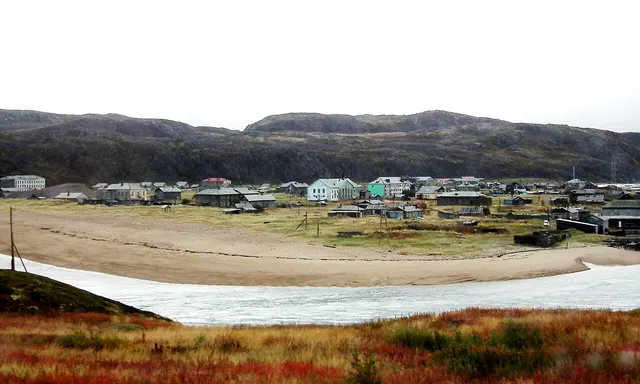
More than 550 islands fall within Kandalaksha Nature Reserve, scattered between the White and Barents seas. Islands in Kandalaksha Bay and three mainland sections lie by the White Sea; the Ainov Islands, Gavrilov Islands and Seven Islands archipelago sit off the northern coast of the Kola Peninsula in the Barents Sea. Some islands are forested, while others are small, rounded rocks without vegetation. Tundra communities dominate the Barents Sea sections, where coastal barrens, bogs and meadows also occur; around the bay, the landscape enters the northern taiga. Pine and spruce grow mainly on Veliky, the largest island in Kandalaksha Bay. Most of the reserve’s area is marine water.
Read more
The reserve was established in 1932 as the Kandalaksha Hunting Reserve to protect the habitats of marine, waterfowl and waterside birds, especially the common eider. The Seven Islands archipelago had already received protected status in 1938; it became part of Kandalaksha Nature Reserve in 1951, adding Barents Sea islands to the White Sea areas. In 1975, the reserve’s remit expanded in connection with the Soviet Union’s participation in a project to conserve key wetland bird habitats.
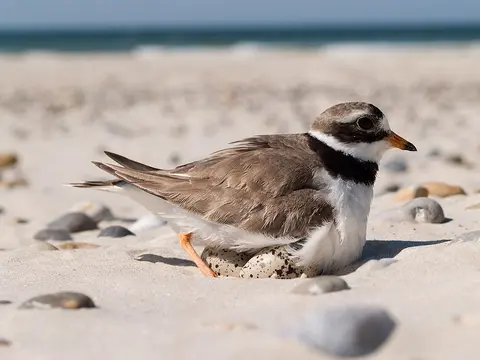
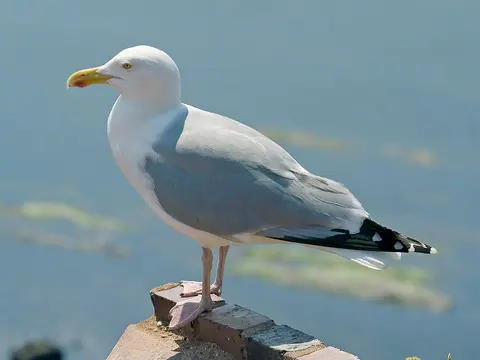
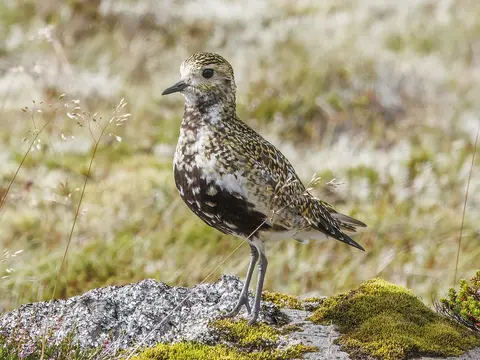
Almost all common eiders in Murmansk Oblast breed in the reserve, and sea ducks favour treeless islands for nesting. The Seven Islands support large seabird colonies, including common murres, thick-billed murres, razorbills and black guillemots. Recorded nearby are the common eider, common ringed plover, European herring gull, meadow pipit and European golden-plover.
When there are more birds
Pick a month to see its birds
- Winter
- Spring
- Summer
- Autumn
Getting there
Directions on the map you prefer