Chany
Link copied.
- Species
- ≈ 16 species Source, Species: Community observations: eBird and GBIF
- Best time
- May Source, Best time: Months with the most species, across all years of observations
- ≈ 16 species Source, Species: Community observations: eBird and GBIF
- May Source, Best time: Months with the most species, across all years of observations
Birds year-round
All birds
All year



About the lake
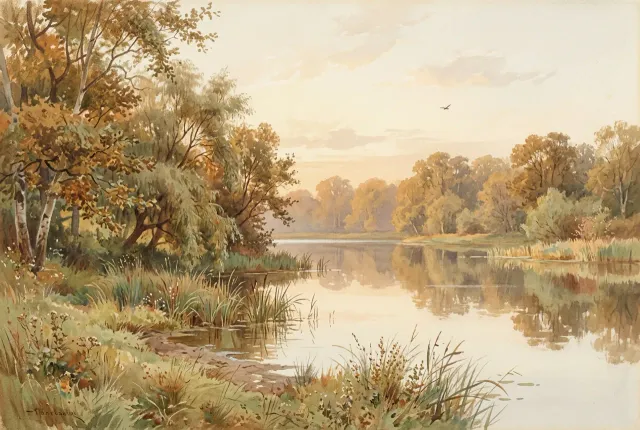
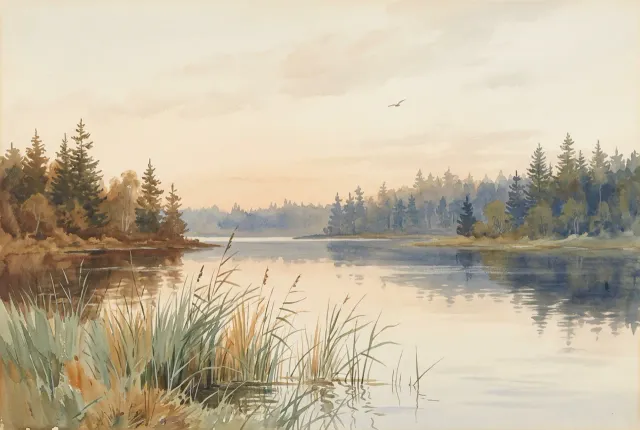
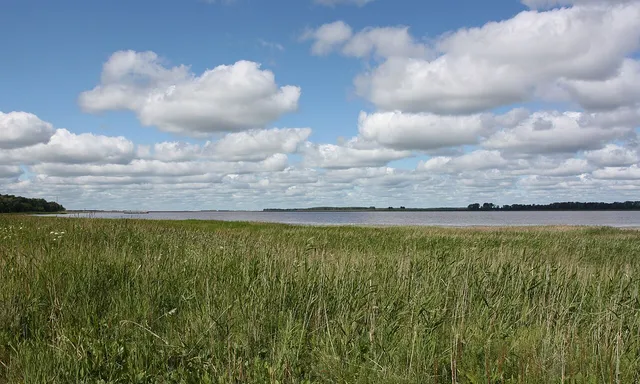
Around 60 per cent of Lake Chany is no deeper than two metres. Its low, deeply indented shores are fringed with bulrushes, reeds, sedges and shrubs, and shallow water gradually opens into broad stretches of lake. Channels and shallows connect the main reaches: Chinyaiikhinsky, Tagano-Kazantsevsky and Yarkovsky. They differ in water mineralisation, bottom sediments and food resources; the water is less mineralised in the south-east. About 70 islands and peninsulas are formed from partly submerged ridges that run from south-west to north-east. Birch, aspen and bird cherry grow on shores and islands, while forest-steppe surrounds most of the lake. Chany freezes in the second half of October or the first half of November and breaks up in May.
Read more
Lake Chany formed near the end of the last glacial period, around 10,000–13,000 years ago. Its shores were initially steppe; shrub birches appeared there about 5,500 years ago. Alternating wetter and drier periods have repeatedly shifted the water level and changed the lake’s outline. In the late 18th century its area was estimated at 12,000 square kilometres. By the 1840s, the lake had separated into distinct reaches. In 1972, an earthen dam cut off the western Yudinsky Reach, which then covered about 800 square kilometres—more than a third of the lake’s area. The water level in the eastern part rose by half a metre, while the isolated western basin had almost dried up by the end of the 20th century.
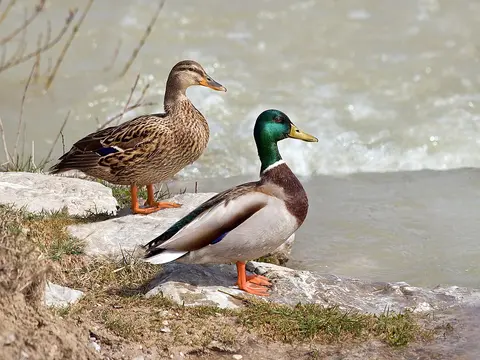
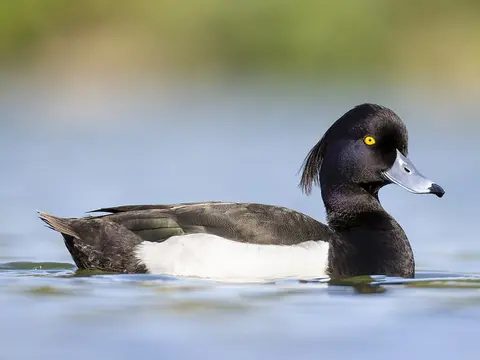
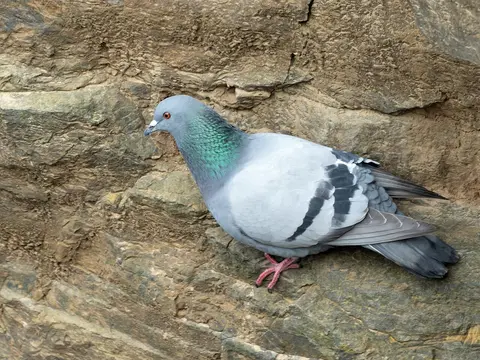
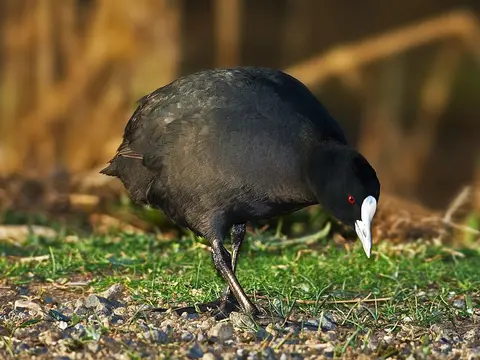
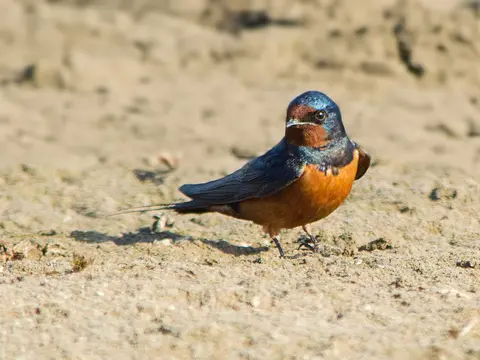
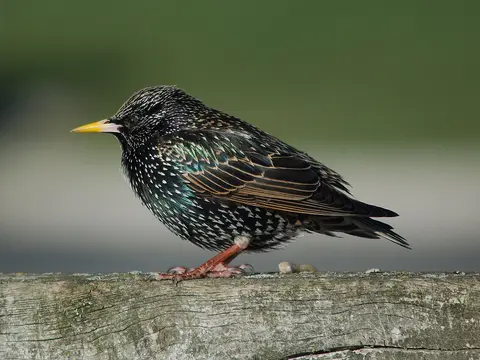
Chany is an important gathering place for waterbirds during migration and moulting. Up to 220 bird species have been recorded on the lake during migration and the breeding season; ornithologists estimated that as many as 1.5 million waterbirds used it over a season in the 1970s. Rare birds recorded on the lake include the white-headed duck, red-breasted goose and Dalmatian pelican. Birds recorded nearby include mallard, whooper swan, tufted duck, rock pigeon and Eurasian coot.
When there are more birds
Pick a month to see its birds
- Winter
- Spring
- Summer
- Autumn
Getting there
Directions on the map you prefer