Birds of Pasvik Nature Reserve
Link copied.
- Species
- ≈ 15 species Source, Species: Community observations: eBird and GBIF
- Best time
- July Source, Best time: Months with the most species, across all years of observations
- ≈ 15 species Source, Species: Community observations: eBird and GBIF
- July Source, Best time: Months with the most species, across all years of observations
- 1993 Source, Founded: From Wikidata
Birds year-round
All birds
All year




About the park
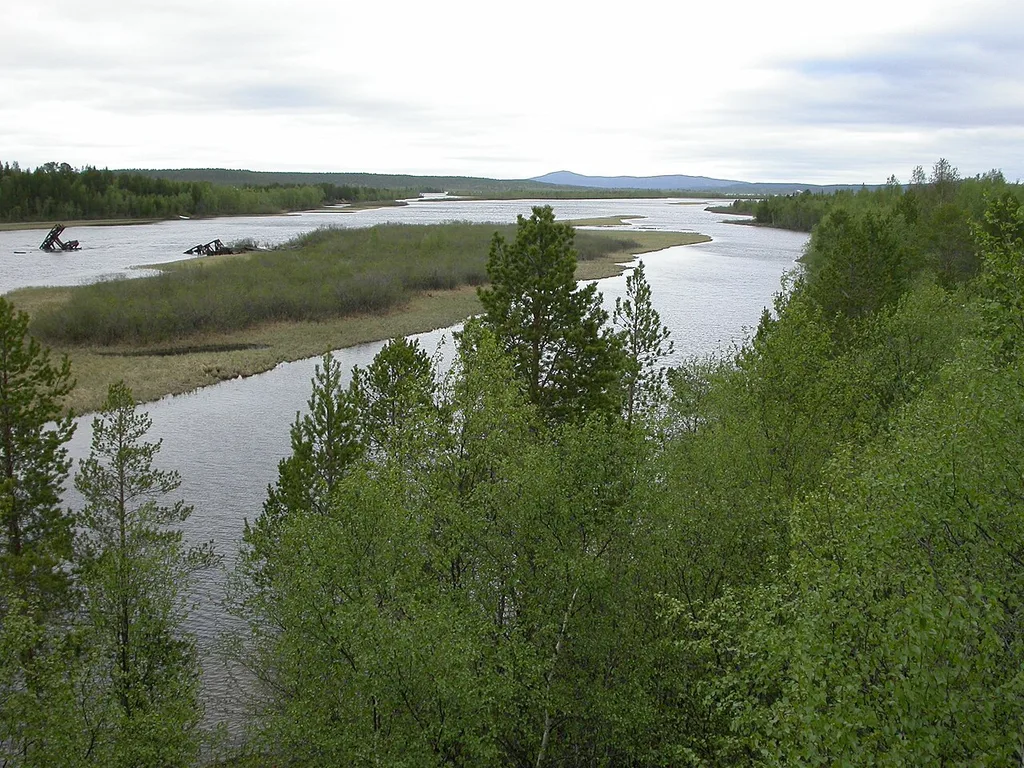
The Russian part of Pasvik Nature Reserve follows the right bank of the Pasvik River for 44 km. Water covers about a fifth of it, forests a little over half, and bogs roughly a quarter. The broad river valley has hills, moraine ridges and deposits left by glacial meltwater. Pine forest grows on well-drained ground, while wetter areas hold peat bogs; sandy deposits support heath. A belt of limestone-rich rock from the Petsamo Formation crosses the reserve, and birch growing there stands out among the usual pines. Seven hydroelectric power stations changed the river’s former sequence of lakes and short waterfalls, though some stretches retain the original character of its channel.
Read more
The oldest archaeological finds in the valley date to the Stone Age and the Komsa culture. People came in summer and relied chiefly on fishing. By the 16th century, Skolts lived here in communities organised as siidas. The valley was once shared by Norway and Russia without a clearly defined national border; after the border was established in 1826, its population moved to the Russian side. Border surveys brought the area’s birds and plants to researchers’ attention. Ornithologists Hans Schaanning and Johan Koren settled in the valley in 1900, and Schaanning remained for twelve years. Conservation later became a joint undertaking: following a cooperation agreement and negotiations in Murmansk, the reserve was established on the Russian side in 1992 and on the Norwegian side a year later.
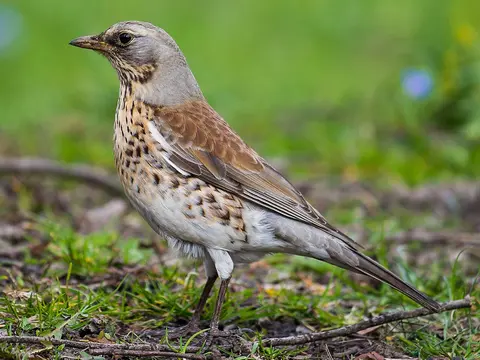
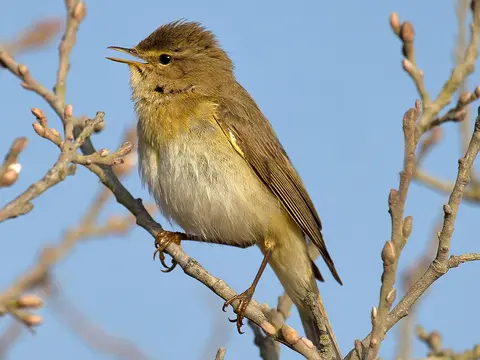
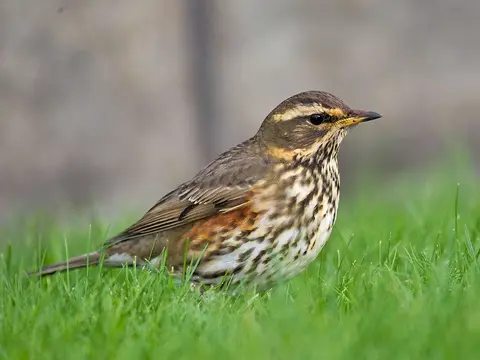
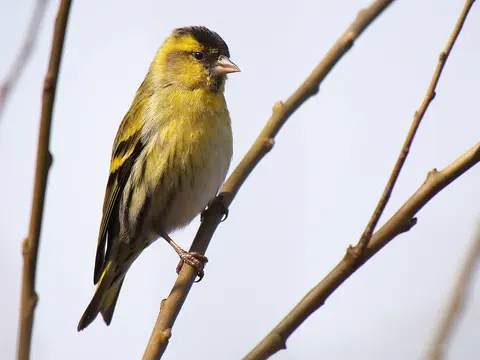
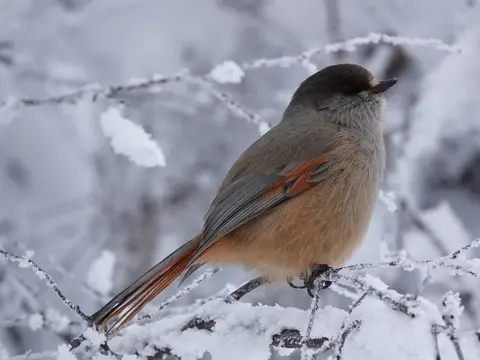
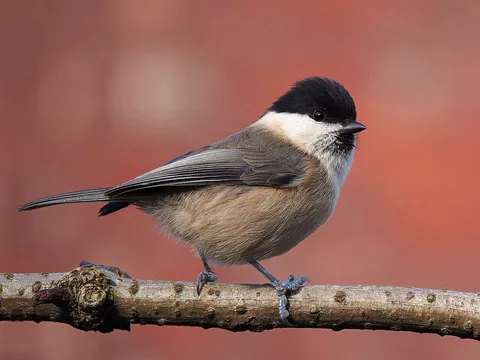
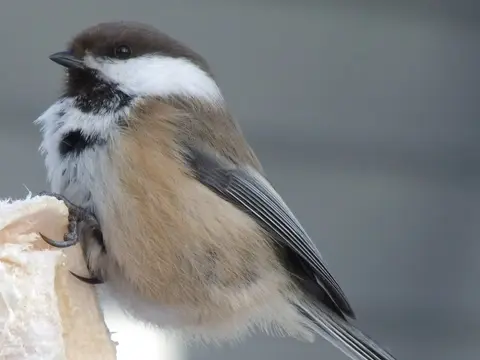
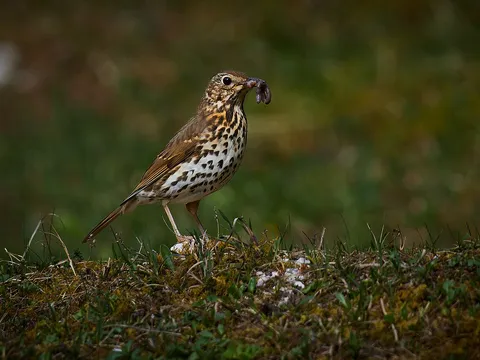
Waders are numerous along the river; common ringed plover, ruff and spotted redshank are among the most common. Black-throated loon and bean goose are also frequent waterbirds. Among birds recorded nearby are fieldfare, tree pipit and willow warbler.
When there are more birds
Pick a month to see its birds
- Winter
- Spring
- Summer
- Autumn
Getting there
Directions on the map you prefer