Birds of Borodino field
Link copied.
- Species
- ≈ 26 species Source, Species: Community observations: eBird and GBIF
- Best time
- September Source, Best time: Months with the most species, across all years of observations
- ≈ 26 species Source, Species: Community observations: eBird and GBIF
- September Source, Best time: Months with the most species, across all years of observations
- 1839 Source, Founded: From Wikidata
Birds year-round
All birds
All year

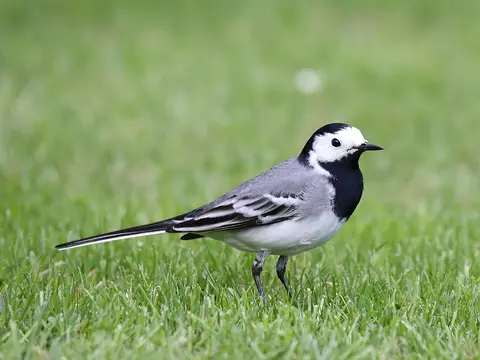


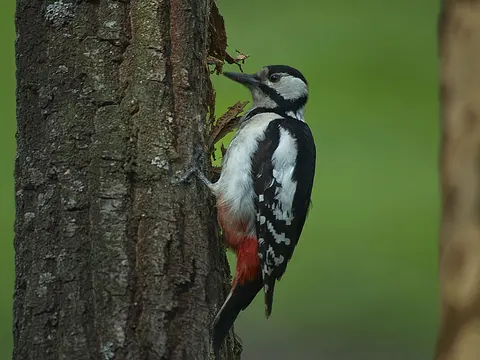
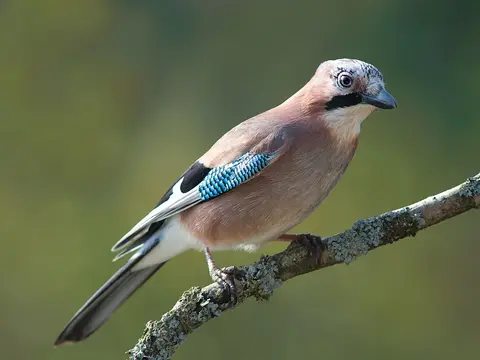
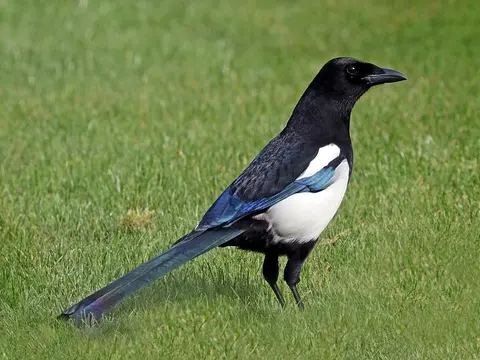
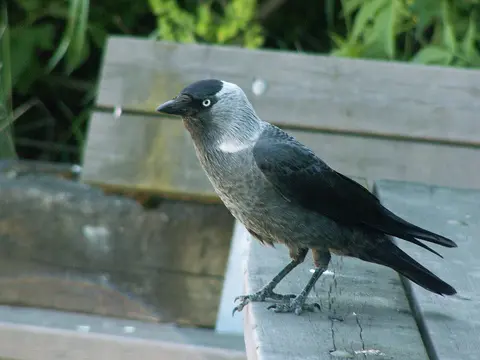
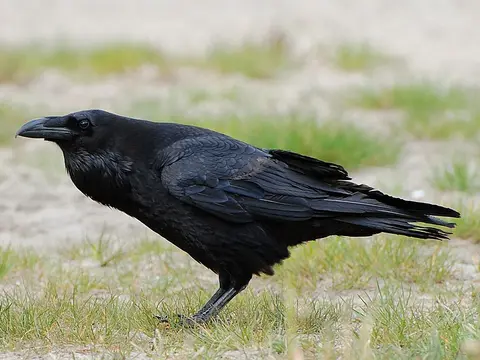
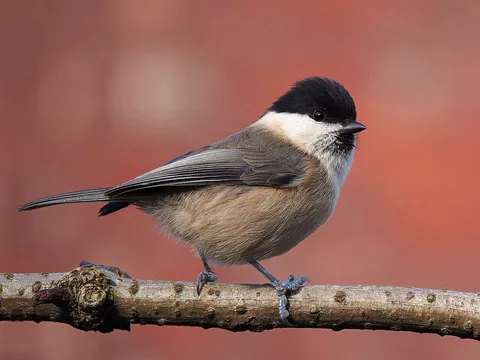
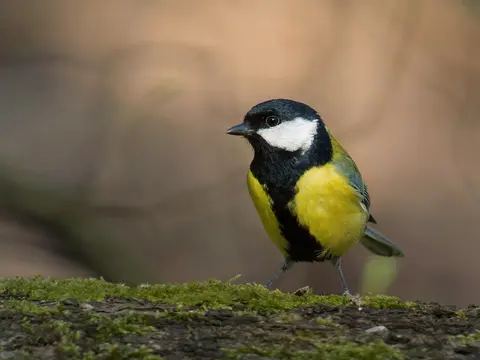
About the park
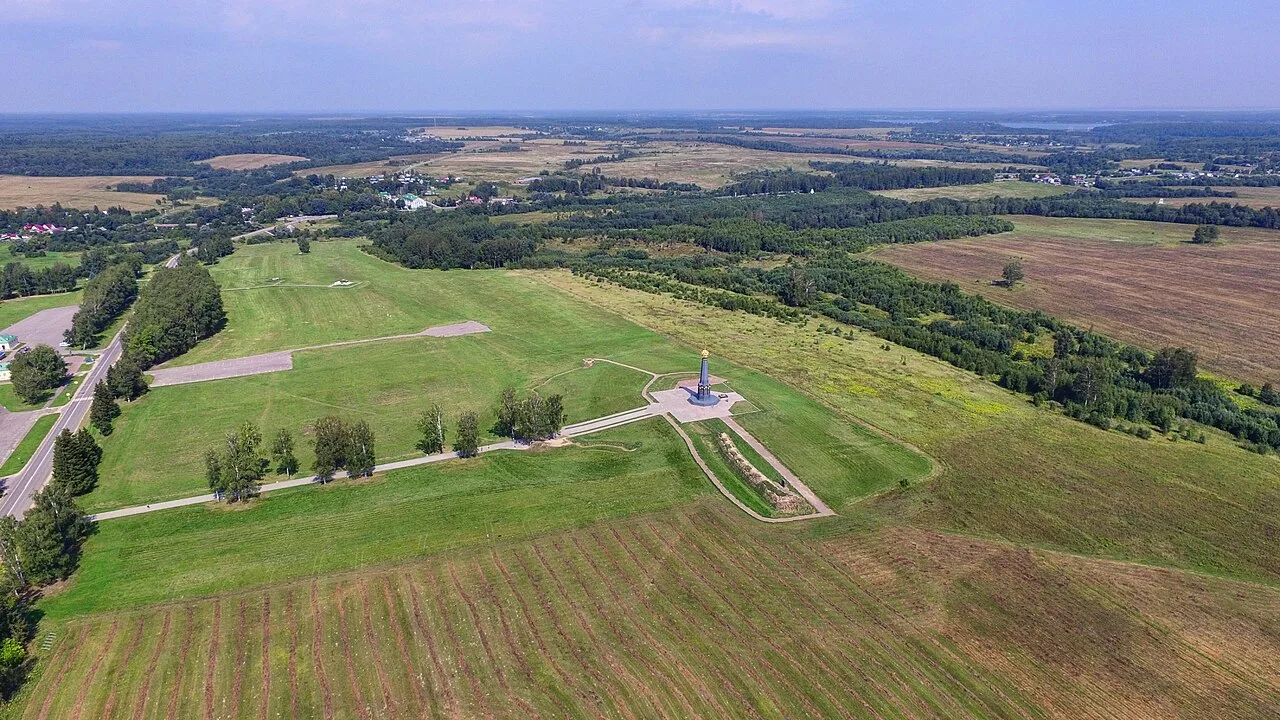
Open fields, small woods and stream valleys lie between the memorials of the Borodino battlefield. A birdwatching walk follows these changes in the landscape: from the broad sky above a field to a woodland edge, then from the trees to vegetation along the Kolocha River. The meeting of woodland and open country is particularly interesting for watching birds of prey. The whole landscape invites attention: where a field meets a small wood, where shrubs follow a stream and what is moving in the sky above the valley.
Read more
Borodino’s terrain also helps explain its history. In 1812, the heights, wooded ravines and banks of the Kolocha River strongly influenced troop positions and the course of the battle. Names such as the Raevsky Battery and Bagration Fleches refer to particular parts of this ground; their relationship becomes clearer on a walk across the battlefield. The museum was established here in 1839. Borodino’s historical value also lies in the landscape itself: the distances between heights, the stream valleys and the open spaces connecting the memorial sites.
White Storks nest on Borodino Field. Common Buzzard, Black Kite and Eurasian Kestrel have been recorded nearby. When a bird of prey appears above the fields, watch its wings and tail: a shallow fork in the tail is one of the clues to identifying a Black Kite.
When there are more birds
Pick a month to see its birds
- Winter
- Spring
- Summer
- Autumn
Getting there
Directions on the map you prefer